
An energy transition expert in Aberdeen has warned that even more jobs in the industry will be lost as a result of the Energy Profits Levy (EPL).
This follows the announcement that the city’s Harbour Energy is to axe another 100 jobs, taking the total redundancies at the firm in just the last two years to 700.
The company said the cuts come as a result of a UK offshore operations review, after failing activity and the government’s refusal to remove the EPL.
There had been calls from the sector prior to the Chancellor’s Autumn Budget on Wednesday for the EPL to be scrapped.
How does the levy impact the industry in the north-east?

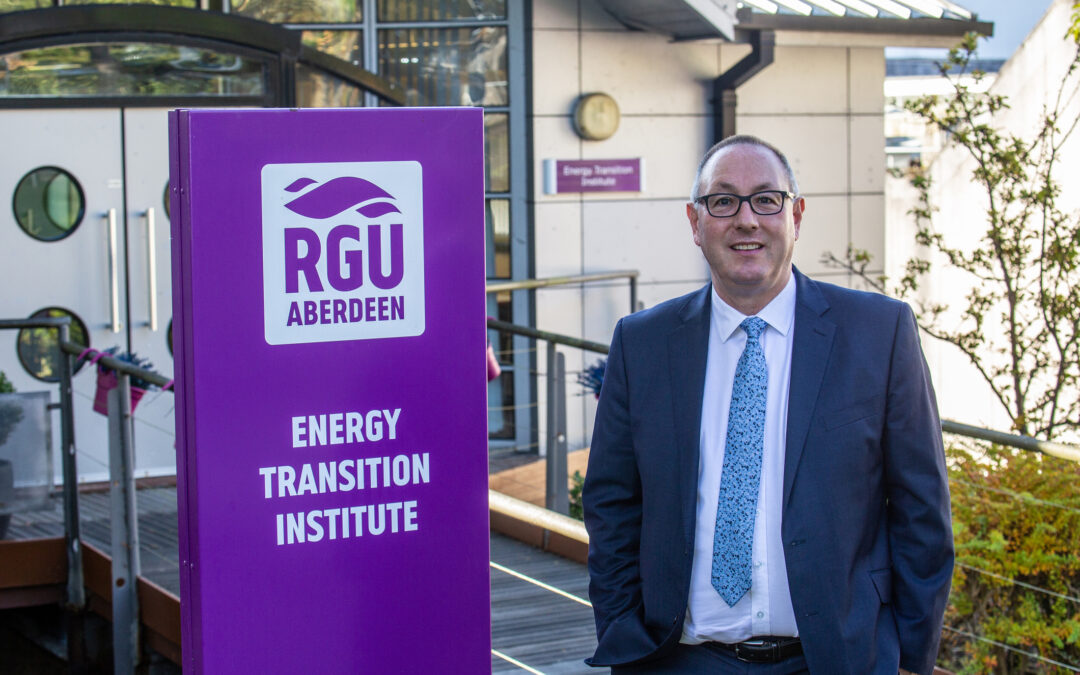
Energy Transition Institute director at Robert Gordon University, Paul de Leeuw insisted today’s cuts at Harbour Energy are a real time outcome of policy decisions.
“The reality is that people are investing, they’re just not investing in the UK. Money’s being pulled out of the UK to invest in other areas. We’re still developing new oil and gas because we still need it to keep the world going,” he said.
“This is a trend we see happening where people reallocate capital because the UK, at the current tax regime, is really not attractive for investment.”
“The industry pays a 78% tax. There is no other industry in the UK which pays a tax rate like that.”
“It doesn’t compete, it’s actually not a good place to be at all. I expect, what’s happening here, will happen more often with other companies as well,” he added.
The university energy boss worries that, at the end of 2025, the UK will be the single-remaining country in Europe to enforce a windfall tax – which will only further put-off future investment.
“The industry pays a 78% tax. There is no other industry in the UK which pays a tax rate like that. It is perfectly okay to have a windfall tax if there is a windfall to tax, but there is no other country left in Europe at the end of the year which actually has a windfall tax.”

He continued, “the UK will be the only country that has a windfall tax on energy left. Basically, if you put them altogether, there is no windfall to tax. It’s the only country, and it makes it uncompetitive.”
What about renewable energy?
Mr de Leeuw also raised concerns over the transition from oil and gas to renewable energy, suggesting that we will now see an accelerated decline in the industry which will leave the north-east lacking.
“It creates a real problem for the industry. The industry’s been saying it, the trade unionists have been saying it, academia has been saying it and the renewables industry has been saying it because it’s a real practical issue.”
“We have this Goldilocks zone, we need to get it just right.”
He emphasised that the north-east, and the UK more generally, is losing the oil and gas supply chain quicker than the renewable energy industry is able to grow.
“We lose the supply chain; we lose the workforce – and these are the people we need to develop the renewable agenda. So it’s not just oil and gas, it’s about our ambition to get to net zero,” he said.
“We have this Goldilocks zone, we need to get it just right. At the moment, we’re not on track. We’re losing people faster than the alternative is available. Therefore, we’re actually jeopardising our route to net zero and that’s not a good outcome for the UK.”