Modern medicine and outdated viewpoints; The effects of Women’s hormonal contraception.

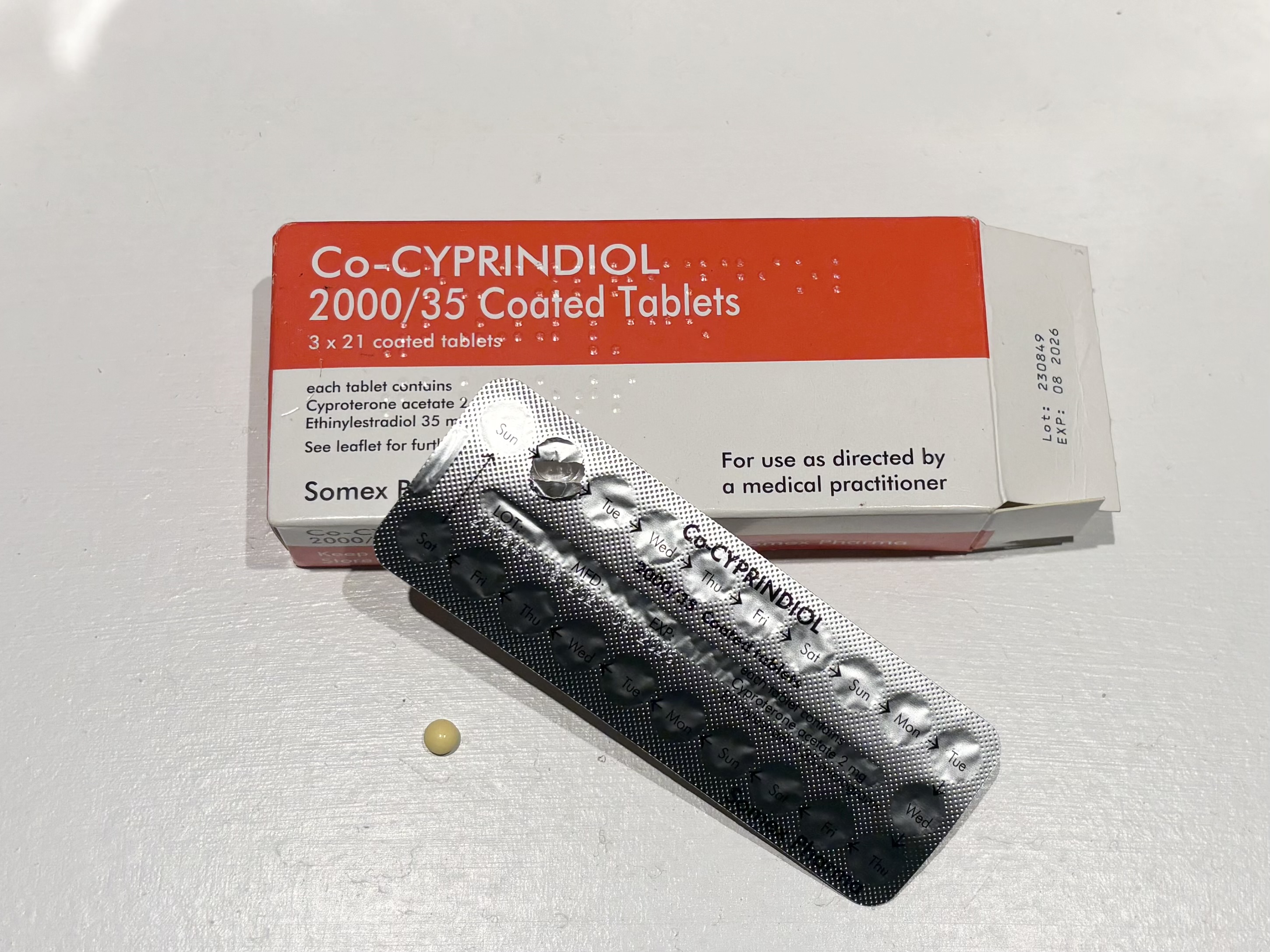
6 to 8 Millimetres; that’s the average size of a contraception pill. Smaller than a penny, the pill was made to be swallowed with ease, to be taken without an afterthought. For something that could easily be mistaken for a crumb, the pill can have a huge impact on woman’s bodies, both positive and negative.
In most cases, the central concern of hormonal contraception is often about the overall effectiveness and convenience, less so how it might feel to live with. “It’s nothing to worry about”, “rest and sleep it off”, “just give it some time” – The language is familiar, designed to comfort and console. But at what point does this language start to become dismissive rather than comforting?
As a woman who has experienced different types of contraception myself, I’ve had my own journey, I have my own views. However personal experience can only reveal so much, I wanted to hear from more voices. Seventy women, both on a form of contraception and not participated in a survey about their personal experiences and personal views.
The survey responses painted a complex picture, one that highlighted both strengths and complications. And yet, the reoccurring responses didn’t come as a surprise.
Out of the 70 women involved, 95% have been on some form of contraception. A further 86% of these women expressed that they had experienced side effects of their chosen contraception.

Mental side effects such as mood swings and depression were commonly selected, as well as physical changes to the body such as weight fluctuation and acne. It was evident that these experiences were not isolated but widely shared through those surveyed. Is this what they meant by Sisterhood?
Now, I’m not saying that side effects of contraception are spoken about; they are. But to what extent are they properly acknowledged? Often, both mental and physical side effects can be downplayed by those in charge of informing. What initially appears as a pamphlet of information can later resemble a catalogue of symptoms, leaving many women unprepared for the reality of its impact.
72% of women who took part in the survey agreed that the side effects of contraception are downplayed. Having given a space for further explanations, many women shared their opinions.

One survey participant stated that women are “told that you just have to try out all kinds before finding the “right fit” without actually addressing how scary it is to dive into trying something new knowing it may wreck your mental and physical health”
Another explained that her side effects were, “described as just things that happened to everyone, and that they were ‘normal’ and so not to worry about them, even if they were quite concerning!”
From social media, to professionals, and even other women, participants found that they were made to feel like their emotions and pain weren’t valid. Many comments held the same objective: that the impact contraception has on women isn’t nearly spoken about enough.
Though a hard topic to grasp for some (mostly men), it’s important to recognise that contraception isn’t only for preventing pregnancy. Contraception does also has wider health benefits for those struggling. An aid for balancing hormones and managing conditions such as PCOS, sometimes it’s not just as simple as taking the “natural route”.
A saving grace, but also her worst enemy, Evie has experienced first-hand what it’s like to battle a very hormonal fight.
Evie’s Story.
“I kind of had a gut feeling that something else was wrong”.
Starting her contraception journey at just age 14, Evie had been suffering from acne, something that could easily be panned of as a usual teenage experience. However, when realising irregular and painful periods weren’t normal, she decided to get help from her GP.
“The initial thing was just, oh, well put you on the pill, that will regulate your periods if you take breaks, and then also clear up your skin” she explained, however even after being on a combined pill, she noticed she was still having issues.
What she now recognises as PCOS, Polycystic Ovary Syndrome, Evie knew that something still wasn’t right.
Two years on from being told her acne and irregular periods were normal, she decided to return to the GP once again; “I went back to the doctor, told them I wanted to get tested for PCOS, because I did my own research. My Diagnosis was all me, I pushed for it.”
Told that she would have to do a six month “detox” to be properly tested for PCOS, Evie came off of all contraception, after being on a different array of pills since the age of 14.
She explained the six-month detox, to have been “really bad” as the hormones that were once covering her natural PCOS symptoms had been taken away, leaving her with common PCOS symptoms.
Finally diagnosed with Polycystic Ovary Syndrome at the age of 17, she was left with the feeling of “What do I do now?”
Now 20 years old and on a contraceptive pill tailored to her diagnosis, Evie expressed her opinions on the lack of information and alternative routes for all women questioning their contraception options.
“I think in both cases, before I got diagnosed with PCOS and after, it was kind of, ‘these are the array of pills, which one would you like?’ As opposed to, ‘do you want to go on the pill? Or these are the lifestyle changes you can make’”.
For a diagnosis like PCOS, there is no cure. Those who get diagnosed have two choices: to live in pain or attempt to manage the symptoms with a contraceptive pill tailored for their needs. Unsure as to what the future holds, Evie expressed her uncertainty when it came to still being on hormonal contraception.
“If there were another option, I don’t know if I would necessarily be on the pill” she explained.
Its stories like Evies that help to underline the complexities of relying on hormonal contraception for more than its “intended” purpose. For the vast majority of women, it is both a solution and a source of uncertainty.
Recognising what needs to be changed in how contraception is both discussed and prescribed, is a step in the right direction.
As said by a survey participant; “Listen to women more. We know our bodies better than anyone else”.