
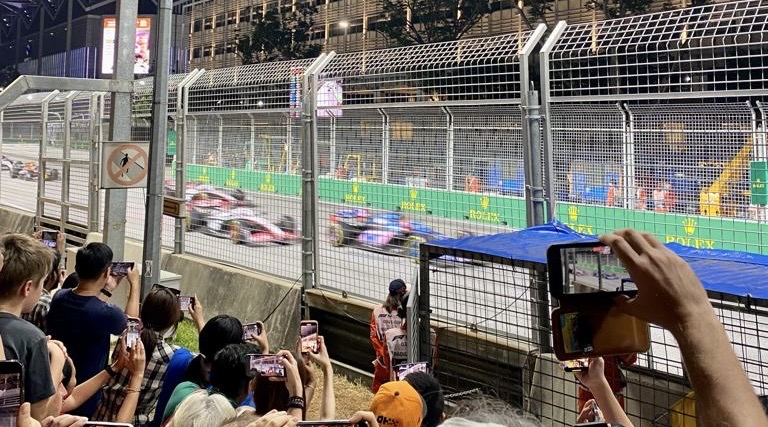

Race weekends in Formula 1 are supposed to bring excitement and a sense of unpredictability that you can’t really find anywhere else. 20 of the most talented race car drivers in the world competing at ridiculously high speeds in eye-wateringly expensive cars, there was a time when outcomes were rarely guaranteed. As the new season gets underway, it’s impossible to ignore how different the sport feels compared to past years. On-track battles now feel secondary to race day action and its feeling like Sunday’s are now made up of structure and easily anticipated results. Fans have been left questioning if these new regulations are improving F1 or making it less exciting to watch.
The 2026 season has brought the biggest shake up in rules that the sport has seen in over a decade. Instead of the usual tweaks like previous years, this overhaul came with a complete reset of how the cars operate. One of the biggest reasons that brought these updates was to make the sport more sustainable and environmentally friendly. F1 is responsible for around a quarter of a million tons of carbon dioxide being put out into the atmosphere over the length of 24 races, with over 72% of that figure coming from business travel and logistics alone. This season, all cars are now running on 100% sustainable fuel which is made up of waste, non-food sources or carbon which has been captured from the atmosphere already. F1 is working towards being net zero by 2030 so this ensures that no new fossil fuels are being released and is a critical step for them to achieve their goal.
However, this is arguably the only positive that these new regulations bring to the sport. The electrical component in powering the cars used to be a small support of the petrol engine, but with these new updates its now a 50/50 split meaning that drivers have to strategically manage their battery constantly and the concept of flat out racing is no more. The cars are now harder to drive than before as the are now required to be 30kg lighter and narrower than before. This results in less grip and therefore more cautious driving which makes for a less interesting race from a spectators point of view. We have also lost the drag reduction system which allowed for the rear wing flaps to be opened for overtakes while at least a second behind the driver in front. This has been replaced with active aero and overtake mode, which can now be used at any point so it takes away from the thrill of watching drivers battle it out during races.

To understand how fans of the sport really feel about these changes, I conducted a short survey asking for opinions on whether the recent change in regulations was impacting their joy of watching races. Out of seven responses, six people said they feel like they aren’t enjoying this season as much as previous ones. After further questioning, the overall opinion was that it just doesn’t feel like there is as much anticipation anymore. One response said, “Races feel predictable, unless there are big mistakes or accidents, the finishing positions don’t seem to differ too much from the starting grid”. A number of the feedback responses did highlight praise for the sport working more towards net zero by 2030, but this was outweighed by negatives. Another response said, “I’m glad the sport is becoming more economical but in terms of actually enjoying watching it, it’s just not as interesting now”. When asked about the strategy side of things, there was a number of positives that were brought up, including the team consistency still feeling the same as before. One response said, “The teams seem to be coping with the not so good regulations, there are some drivers that aren’t happy so I think they are doing a decent job at keeping people happy. This response is linked to Red Bull Racing driver Max Verstappen publicly criticising the new regulations during pre-season testing in Bahrain. He said he was not enjoying driving the cars now and the FIA must have not realised how bad these new rules were going to be when they were coming up with them. While the number of responses I gathered was limited, overall insight shows that the majority feel the same way.
The 2026 season was always going to cause a shift in how people see the sport due to the magnitude of change these regulations brought, but for some fans it may have come at the cost of exactly what makes Formula 1 so exciting to watch.
